
A drain can be wide open after a service call and still be on its way to backing up again. A kitchen sink may drain normally for a while, then slow down as grease and mineral deposits narrow the pipe. A main sewer line may flow after snaking, yet roots, scale, or corrosion remain attached to the pipe wall.
That's the practical difference behind cable drain cleaning vs. flex-shaft cleaning. A traditional cable usually creates a passage through the obstruction. A flex-shaft machine is designed to clean the inside surface more completely. The right choice depends on whether the immediate problem is a blockage, or whether the pipe itself has become restricted.
Why Las Vegas Drains Keep Coming Back
A Las Vegas homeowner may have a kitchen drain cleared, enjoy normal flow for a season, and then notice the same sink taking longer to empty. In another home, a sewer line under a slab may back up even though a plumber ran a snake through it previously. The line was opened, but the inside diameter may still have been reduced by buildup.
Southern Nevada conditions can make that pattern more likely. Hard water leaves mineral deposits inside plumbing, while mature landscaping and irrigation can encourage roots to seek moisture around aging sewer lines. Older cast iron can develop internal scale and corrosion, and even ABS lines can collect grease, sludge, or other material that a basic cable pass doesn't remove from the entire wall.
For a straightforward stoppage, clogged drain service in Las Vegas may only require a conventional cable. That tool is often the efficient answer when a solid obstruction is preventing flow and the pipe appears structurally sound.
The trouble starts when the same line keeps failing. A cable can bore through a mass while leaving a rough, narrowed surface behind. A flex-shaft can be a better fit when inspection shows scale, hardened grease, or root fuzz distributed along the pipe wall.
The question isn't only, “Did the water start moving?” It's also, “How much of the pipe did we actually clean?”
That distinction matters in Las Vegas homes with slab construction, aging piping, hard-water deposits, and landscaping near sewer routes. One method opens the path. The other is intended to restore more of the pipe's working diameter.
How a Traditional Cable Drain Machine Works
A traditional cable machine, often called a snake, rooter, or drum machine, uses a motor to rotate a length of steel cable inside a drain or sewer line. The cable carries an interchangeable head, such as a boring bulb, auger, root cutter, or other blade. The plumber selects the cable and head according to the pipe size, access point, and obstruction.
Cable cleaning is the oldest major mechanical drain-clearing method. Historical accounts trace its development from flat metal tape to flexible coil springs and eventually motorized machines. A 1933 prototype associated with modern powered drain cleaning used blades, roller skate wheels, steel cable, and a 1/6 horsepower Maytag washing machine motor, an example of how basic mechanical parts became practical plumbing equipment. By the 1940s, manufacturers were producing drain-cleaning machines and strengthening cables, including Flexicore cable built around 49-strand aircraft-quality wire rope wrapped with spring steel to help reduce kinking and breakage. Networx documents this cable-cleaning history.
Where cable machines earn their place
A cable works well when the main objective is to break through one obstruction and restore flow. It can be useful for:
- Kitchen stoppages: The head can work through grease, food residue, and compacted debris in a branch line.
- Bathroom drains: A properly sized cable can clear hair and soap-related restrictions.
- Root intrusion: A cutting head can open a route through a root mass at the time of service.
- Main sewer stoppages: Larger cable equipment can reach farther through an accessible cleanout.
The limitation is mechanical. The rotating cable typically follows the easiest route through the blockage. It may punch a channel through the center while leaving material bonded to the upper, lower, or side walls. That's why a chronically slow line can feel fixed immediately and then fail again after more buildup collects around the remaining restriction.
Cable machines also require controlled handling. The plumber has to match cable diameter and head style to the pipe, manage torque, and avoid forcing equipment into a fragile or offset line. A quick snake is useful, but it doesn't automatically tell you whether the line is clean, damaged, or only temporarily open.
How a Flex-Shaft Drain Cleaner Works
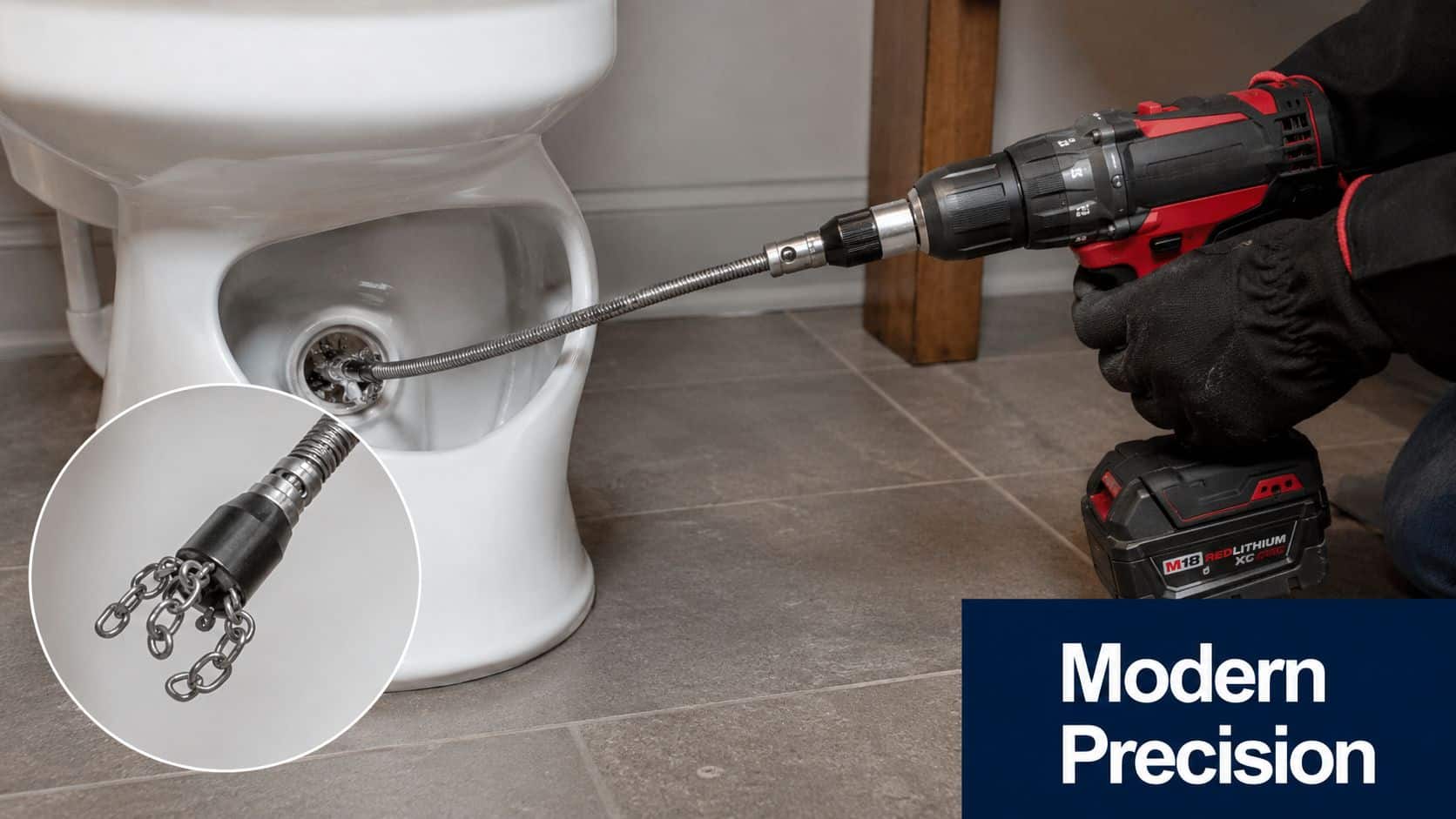
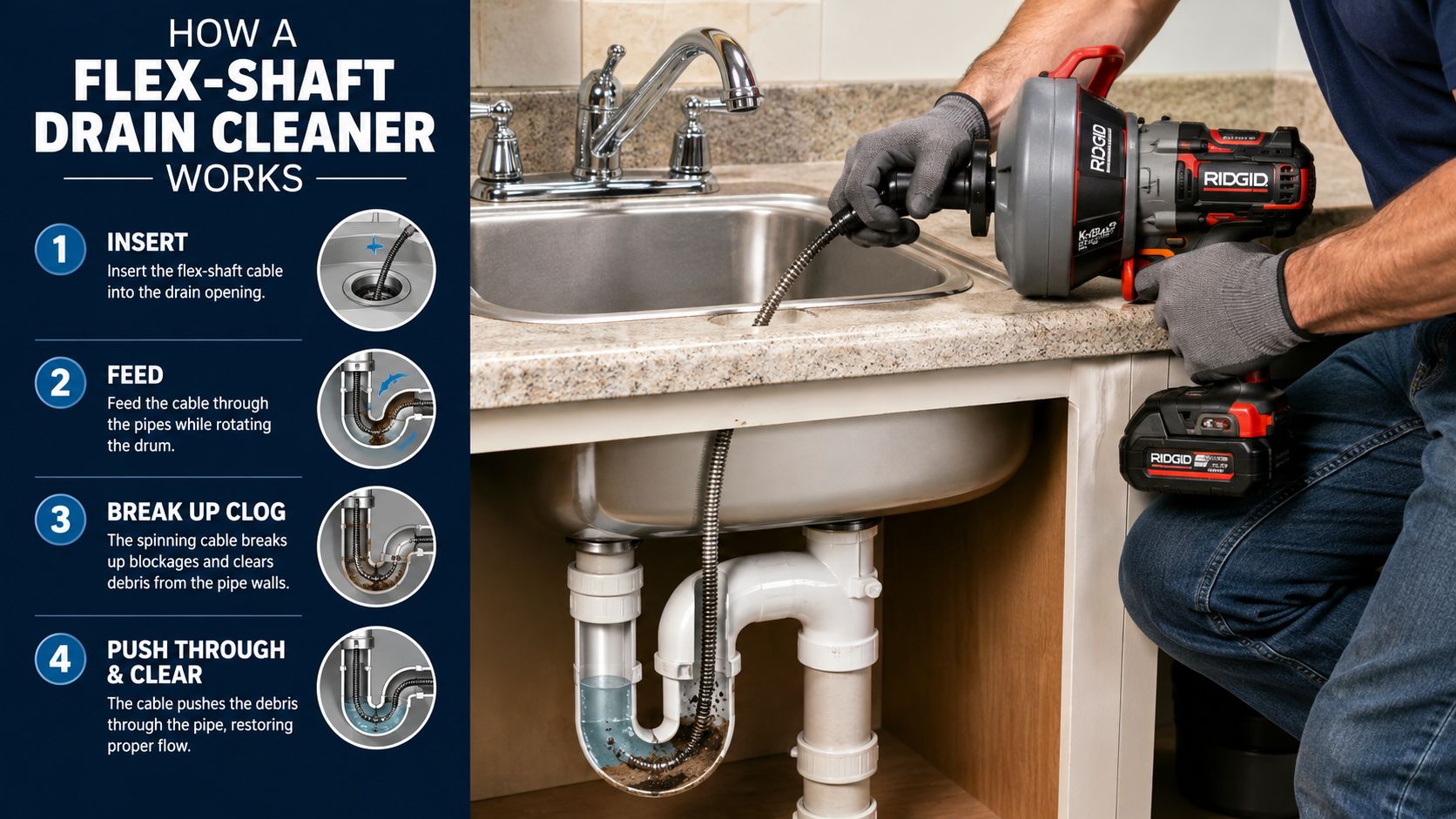
A flex-shaft machine uses a rapidly rotating flexible shaft inside a hollow protective tube. A cordless drill drives the shaft, and a chain knocker, blade head, or carbide-tipped attachment scrapes against the pipe wall. The cutting head is selected and sized for the pipe and the material being removed.
This is a newer technology than conventional cable cleaning. Flex-shaft systems grew from pipe-relining needs and became prominent in the late 1990s and early 2000s. Industry coverage describes carbide-tipped chain cutters spinning at 2,000 RPM or more, over 10 times faster than traditional drum machines in the comparison provided by PHCP Pros' coverage of flex-shaft technology. Other trade guidance cites flex-shaft speeds up to 3,000 RPM or approximately 2,200 RPM, depending on the equipment and setup. This PHCP Pros guide explains the high-speed wall-cleaning distinction.
Scraping the wall instead of boring through it
A cable generally seeks a route through an obstruction. A flex-shaft head rotates against the surrounding surface, so the objective changes from opening a hole to removing deposits from the pipe wall. That makes it useful when a camera shows mineral scale, hardened grease, sludge, or root fuzz spread along the line.
The equipment is speed-sensitive. A flexible-shaft drain machine may be driven by a cordless drill set between 1,800 and 2,500 RPM, and the chain knocker must keep spinning while the drill switch is depressed. If the head stops while the drill continues applying force, the shaft assembly can twist, kink, or break, as described in the manufacturer guidance for drill-powered flexible-shaft operation.
Flexible shafts commonly use 6 mm, 8 mm, 10 mm, or 12 mm cable diameters. Smaller 6 mm or 8 mm options are recommended for light cleaning in relatively fresh PVC, while cleaning chains need sufficient speed to avoid merely slapping the pipe. RIDGID identifies approximately 1,400 to 1,500 RPM as a minimum and roughly 1,900 RPM or more as preferred for the cleaning action described in its flex-shaft operating principles.
Professional systems can also let a camera follow close behind the cutting head. That gives the plumber a way to watch the deposit being removed and assess the pipe as the work progresses. The result isn't just restored flow. Done appropriately, it's a more complete cleaning pass and a useful preparation step for pipe repair or relining.
Cable vs. Flex-Shaft Side by Side
The best method depends on what the pipe is telling you. A kitchen sink with one sudden stoppage isn't the same problem as a main sewer that has been slow, snaked, and backed up repeatedly. Pipe material matters too. A chain that's appropriate for sound cast iron may be too aggressive for weakened or thin-walled pipe.
Cable vs. Flex-Shaft at a Glance
| Factor | Cable Machine | Flex-Shaft Machine |
|---|---|---|
| Primary job | Opens a path through an obstruction | Scrapes buildup from the pipe wall |
| Best fit | One solid clog, root mass, or urgent loss of flow | Mineral scale, hardened grease, sludge, and root fuzz along the wall |
| Cleaning pattern | Usually follows the blockage's easiest route | Rotates a head against the surrounding pipe surface |
| Speed | Older, slower mechanical method | High-speed rotation, with some systems reaching up to 3,000 RPM according to PipeMade's equipment guidance |
| Pipe condition | Can be selected for many residential lines, but forcing it is risky | Requires inspection because aggressive scraping can harm fragile pipe |
| Water use | Mechanical cleaning without relying on jetting | Mechanical cleaning without water, with camera access available on some systems |
| Typical outcome | Flow restored through the blockage | More of the narrowed wall cleaned and pipe diameter restored |
| Main limitation | May leave wall deposits behind | Not appropriate for every damaged or corroded line |
Match the tool to the symptom
A cable is usually the practical starting point when water stops suddenly and the camera or symptoms point to a localized obstruction. Flex-shaft cleaning earns its keep when the line is technically open but still has restricted flow or repeat backups.
A combined approach is common. The plumber may use the cable to reach and open the stoppage, then inspect the pipe before deciding whether a flex-shaft pass is warranted. Hydro jetting is another separate method that uses pressurized water rather than a rotating chain, and homeowners who want a broader overview can review Pipeline On's hydrojetting overview for how that process differs.
Ask one question before approving the work: are we opening the clog, or are we cleaning the pipe?
That answer should determine the equipment, the risk discussion, and the expected result. It shouldn't be assumed that the newer tool is automatically better, or that the traditional one is enough for every recurring problem.
The Inspection-First Workflow a Pro Actually Uses
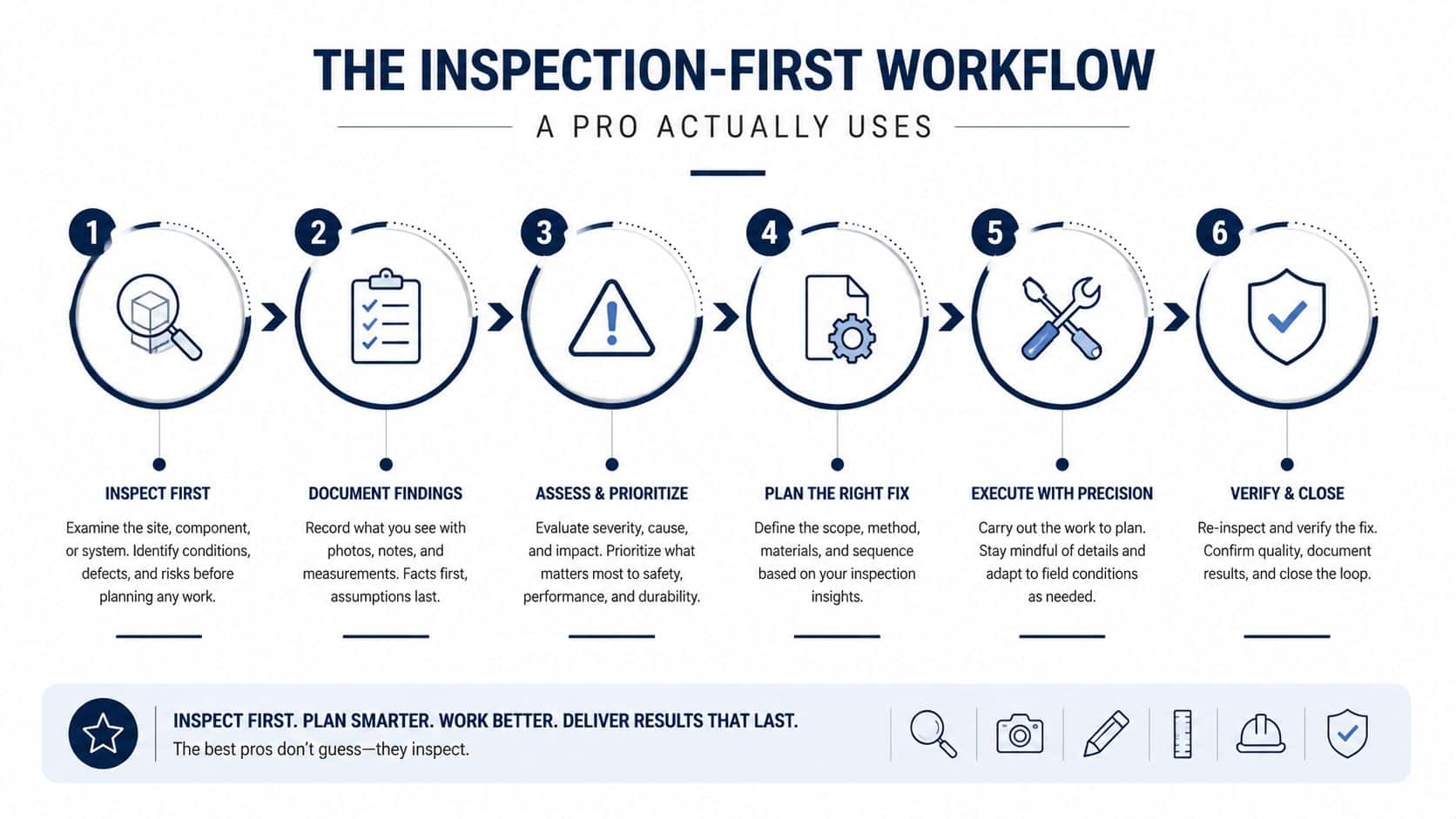
Recurring drain work should start with diagnosis, not with whichever machine is closest to the cleanout. A practical workflow separates the immediate stoppage from the condition of the pipe.
The order of operations
Confirm the symptoms. The plumber checks which fixtures are affected, whether multiple drains are slow, and whether sewage is surfacing at a cleanout or floor drain. That helps distinguish a branch-line issue from a main sewer restriction.
Inspect with a camera. A sewer camera can show the obstruction, pipe material, standing water, scale, root fuzz, offsets, breaks, and other conditions that a cable alone can't identify. The inspection also helps determine whether the line is suitable for more aggressive mechanical cleaning.
Open the path if necessary. If the camera or access conditions show a blockage, a conventional cable may be used first. The goal at this stage is to restore access and flow, not to assume the line is fully clean.
Choose the wall-cleaning method. If the camera shows distributed buildup, the plumber may use a flex-shaft with a properly sized chain or cutting head. PipeMade describes this cable-first, camera-guided, flex-shaft workflow, including the ability to clean without water and maneuver equipment through difficult access.
Verify the result. A final camera pass can show whether scale, grease, or roots remain and whether a crack or structural defect changes the recommendation. Without verification, “the water is moving” may be the only evidence of success.
Locate the repair area when needed. A camera sonde and electronic locator can help identify where the defect sits in the yard, beneath landscaping, or near a slab. That information supports a focused repair conversation instead of guessing where excavation should begin.
A recurring sewer call can therefore become a two-stage job. The first stage restores flow. The second addresses the reason the line keeps losing capacity. For homeowners considering a camera inspection and locating service, MG Drain Services' sewer camera service provides the diagnostic starting point.
When Flex-Shaft Cleaning Is the Wrong Choice
Flex-shaft cleaning isn't a universal upgrade. High-speed wall scraping can be a poor choice when the pipe is cracked, heavily corroded, thin-walled, or structurally unstable. The chain may catch a weak joint, widen a defect, or remove material that was temporarily holding a failing section together.
That concern matters in older Las Vegas homes. Hard-water scale can hide corrosion underneath the deposit, and aging cast iron may be severely weakened along the bottom of the pipe. Previous repairs can also leave offsets, weak connections, or transitions that don't tolerate an aggressive head.
Warning signs that change the recommendation
A plumber should slow down when the camera shows:
- Visible cracking or holes: Cleaning won't correct a structural opening.
- Severe corrosion: Flaking or paper-thin pipe needs a repair discussion before mechanical descaling.
- An unstable joint: A chain head can catch on an offset or failed connection.
- A collapsed or badly deformed line: The issue is loss of structure, not surface buildup.
- Unexplained soil or sewage movement: The line may be leaking outside the pipe rather than merely clogged.
In those cases, the next step may be targeted repair, replacement, lining evaluation, or another method that matches the condition. MG Drain Services' hydro jetting service is another option a plumber may evaluate, but water pressure also requires pipe-condition judgment. No cleaning method should be selected solely because it has more power.
A reputable plumber should be willing to recommend against flex-shaft cleaning when the camera shows a line that can't safely tolerate it.
The inspection protects the homeowner from paying for a more aggressive version of the wrong solution. Sometimes the right answer is to clean. Sometimes it's to repair the pipe before cleaning becomes useful.
What to Expect From a Professional Service Call
A residential drain appointment usually begins with questions about the pattern, not with a machine immediately entering the pipe. The plumber will want to know which fixtures are affected, how often the backup returns, whether toilets gurgle, and whether any prior cleaning temporarily helped. Those details help establish whether the problem is isolated or connected to the main sewer.
The equipment may include a conventional cable machine, flex-shaft, camera, locator, and access tools. A basic stoppage may call for one cleaning method. A recurring line may require a cable pass to open access, camera inspection, wall cleaning with a flex-shaft, and a final look inside the pipe. The actual duration depends on access, blockage location, pipe condition, and whether the inspection reveals a repair issue, so a responsible plumber shouldn't promise a fixed timeline without seeing the line.
Pricing also depends on the same variables. A single-method branch drain cleaning isn't the same scope as a main sewer diagnosis followed by cable cleaning, flex-shaft descaling, locating, or repair planning. Ask what the quoted work includes, whether camera inspection is separate, and whether the recommendation is intended to restore flow temporarily or clean the pipe wall more thoroughly.
Stop repeating DIY attempts when the pattern changes
Homeowner troubleshooting is reasonable for a simple, isolated slow sink when no other fixture is affected. Avoid forcing a hand snake, mixing chemical drain cleaners, or continuing to work a line after resistance suggests a deeper obstruction or damaged pipe.
Call a licensed plumber when:
- The same drain backs up again: Repeated failure points to remaining buildup, roots, or a pipe defect.
- Several fixtures are affected: The restriction may be in the main sewer.
- Sewage appears indoors or outdoors: Sanitation and structural concerns take priority.
- A cable clears flow only briefly: The line needs diagnosis rather than another blind pass.
- The home has older piping: Camera evidence can prevent an unsuitable cleaning method.
For a practical overview of how local service pages and plumbing companies communicate their offerings, RecensioAI B.V.’s plumber near me ranking guide provides broader marketing context, but homeowners should still judge a plumber by the diagnosis and scope of work offered.
MG Drain Services LLC is a licensed and insured, family-owned, owner-operated residential plumbing company serving Las Vegas, Henderson, North Las Vegas, Summerlin, and nearby Valley communities. The company provides residential drain cleaning in Las Vegas, sewer camera inspections, locating, hydro jetting, and related plumbing services, with recommendations based on the observed condition of the line.
The best prevention is specific to the pipe. Keep grease and fibrous food waste out of kitchen drains, don't treat recurring backups as a routine inconvenience, and have a camera inspection considered when the same line repeatedly fails. In Southern Nevada homes with hard-water deposits, mature landscaping, aging cast iron, or suspected root intrusion, identifying the cause is more useful than scheduling the same blind cable pass again.
If a drain keeps backing up after snaking, MG Drain Services LLC can evaluate whether the line needs a cable opening, flex-shaft wall cleaning, camera inspection, or repair planning. Call 702-480-8070 or visit MG Drain Services LLC to schedule residential drain and sewer service in the Las Vegas Valley.