
A slow shower drain usually starts as an annoyance. You finish your shower in Las Vegas, look down, and you’re standing in dirty water that should’ve been gone already. Most homeowners reach for a harsh bottle from under the sink. That’s often the wrong first move.
If you want to know how to unclog the shower drain naturally, start with methods that remove hair, loosen soap buildup, and protect the pipe. In Las Vegas homes, that matters more than people think because hard water changes the type of clog you’re dealing with. If your shower has been draining slower every week, or you’ve already tried a home remedy and it keeps coming back, this guide will help you sort out what’s going on. If your drain is only sluggish, this practical guide on how to fix a slow draining shower is also worth reading alongside the steps below.
The Frustration of a Slow Draining Las Vegas Shower
The most common shower clog doesn’t arrive all at once. It builds in layers. A little hair slips through. Soap residue sticks to it. Conditioner, body wash, and dust from daily life in the valley add to the mess. Then one day the water stops moving the way it should.
That slow drain matters because shower clogs rarely improve on their own. Each shower adds another thin layer inside the drain body, trap, or nearby branch line. In Las Vegas, Henderson, and North Las Vegas, local water conditions make those layers harder and stickier than many homeowners expect.
Natural drain cleaning can work well for minor blockages. It’s often the right starting point when the problem is near the drain opening and made up of hair and soap. But “natural” only works when the method matches the clog.
Practical rule: If the drain is slow but still moving, try safe DIY steps first. If water is backing up fast, returning right after cleaning, or affecting other fixtures, stop experimenting.
Why Your Shower Drain Keeps Clogging
A shower drain that clogs over and over usually has more than one cause. Hair starts the problem, but hair alone is rarely the full story once the drain has been slow for a while.
In Las Vegas, hard water changes how that buildup behaves. Mineral-heavy water leaves scale on the pipe wall. Soap sticks to that rough surface more easily, then hair and skin residue catch on top of it. What begins as a small snag near the drain can turn into a thicker blockage in the trap or just beyond it.
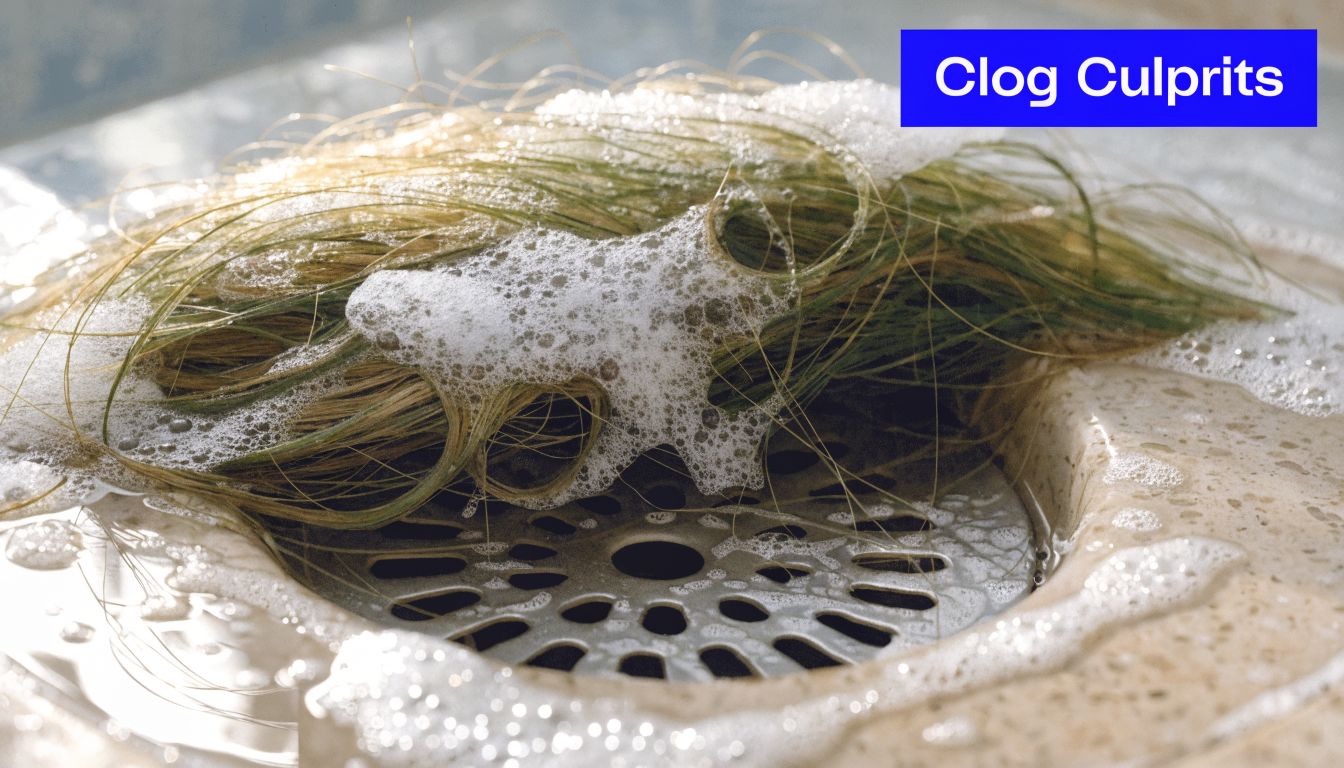
Hard water changes the job
I see this in Las Vegas homes all the time. Homeowners clear out a wad of hair, the shower drains better for a few days, and then the slow drain comes right back. The reason is simple. The pipe is still coated.
That coating matters because it gives new debris something to grab onto. In a smoother drain line, some material washes through. In a scaled-up line, buildup starts faster and hangs on longer.
Drain layout can add to the problem. A shallow slope, a tight turn, or an awkward trap location can make a shower more prone to collecting debris. If you want background on how pipe placement affects drainage during remodels or repairs, these essential rough-in plumbing details explain the basics.
Common repeat-clog conditions in Las Vegas include:
- Mineral scale inside the drain that gives soap and hair a rough surface to stick to
- Soap scum buildup near the trap where water slows down and residue settles
- Long hair and shedding that create a web and hold smaller debris in place
- Low-flow rinsing that is enough to wet debris, but not enough to carry it out
The hidden cause behind repeat clogs
Some drains also develop biofilm. That is the slick layer that forms inside wet pipes from soap residue, organic waste, and bacterial growth. Once biofilm is established, a vinegar-and-hot-water treatment may open a narrow channel without stripping the pipe wall clean.
That is why natural methods sometimes seem to fail even when you follow the steps correctly. The method was not always wrong. The blockage was just more established than it looked from the surface.
A drain that keeps clogging is usually telling you one of three things. The trap is still packed with residue, the pipe wall is still coated, or the obstruction sits deeper in the branch line. At that point, guessing stops being useful. A camera inspection can show whether you are dealing with ordinary shower buildup, hard water scale, or a blockage farther down the line.
Your First Line of Defense Natural Unclogging Methods
A slow shower drain usually gives you one easy chance before it turns into a repeat problem. In Las Vegas, that first attempt should focus on removing hair and loosening soap residue near the opening, because hard water scale and pipe-wall buildup can keep natural treatments from reaching the full clog.
Start with what you can physically remove
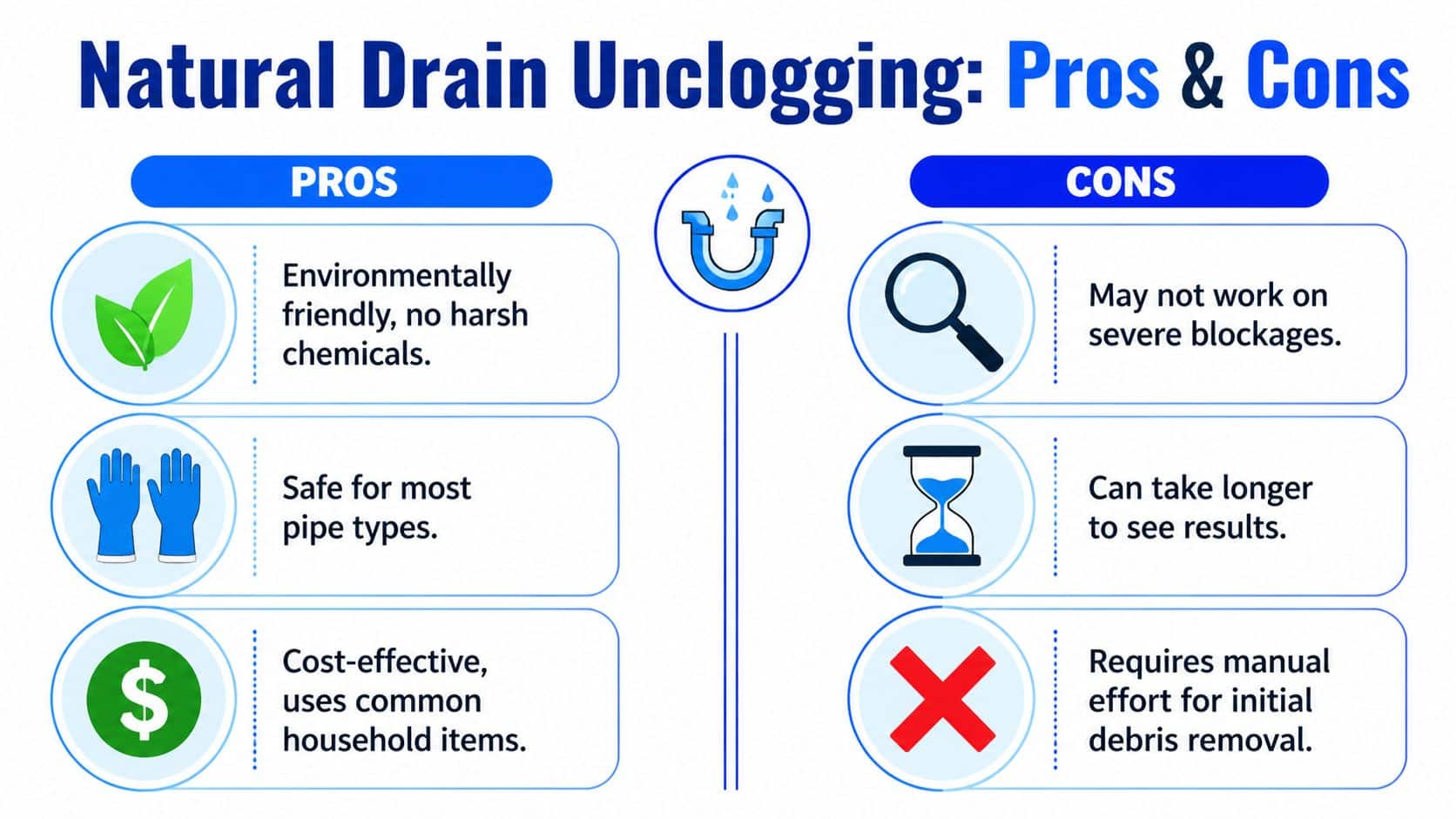
Put on gloves. Remove the drain cover if it comes off without forcing screws or cracking the trim. In plenty of shower drains, the clog starts as a hair mat sitting right below the strainer, and pulling that out does more than any homemade mixture.
Use whatever gives you clean access:
- A gloved hand for visible hair near the top
- A plastic hair-removal tool for narrow openings
- Paper towels or a trash bag to catch debris immediately
If the cover is stuck, corroded, or built into the assembly, stop before you damage it. A broken stopper or stripped screw turns a simple cleaning job into a repair. If you need to open the drain safely first, this guide on how to remove a bathtub drain without damaging the assembly shows the process.
Use baking soda and vinegar for residue, not miracles
Baking soda and vinegar can help with light soap scum and loose organic buildup. They work best after manual debris removal, not instead of it. In Las Vegas homes, I would treat this method as a surface cleanout. Hard water scale and biofilm often hold onto the clog even after the fizzing stops.
Use this order:
- Remove standing water so the mixture reaches the drain opening.
- Pour in 1 cup of baking soda as directly into the drain as possible.
- Add 1 to 2 cups of white vinegar.
- Cover the drain with a plug or cloth to keep the reaction concentrated below the opening.
- Wait until the fizzing slows down.
- Flush with hot water.
A common home recipe uses those amounts and has been reported to clear 80 to 90% of minor hair and soap clogs in home use, according to this baking soda and vinegar drain method reference.
Use hot water carefully
Hot water helps carry loosened residue away. It does not fix a packed drain by itself.
If your home has PVC or other plastic drain piping, use very hot tap water, not a full rolling boil poured straight from the stove. The goal is to flush softened soap and debris without stressing pipe joints or older fittings. That matters in tract homes and remodels where drain materials vary from one bathroom to the next.
Add a plunger if the clog is still shallow
A shower plunger can move a soft blockage near the top of the trap. It needs water to seal, and it works better after you have already removed hair and flushed the drain once.
Use it this way:
- Add enough water to cover the plunger bell
- Center the plunger over the drain
- Press down once to push out trapped air
- Pump firmly several times without lifting the seal
- Test with clean water after each round
This works on loose, shallow buildup. It usually does very little against mineral scale, heavy biofilm, or a blockage farther down the branch line.
Know what natural methods can actually fix
Natural DIY methods are a first pass, not a full diagnosis. They are usually a good fit for hair near the opening and light soap residue. They are a weak fit for deep blockages, recurring odors, or a shower that improves for two days and slows right back down.
| Clog type | DIY chance |
|---|---|
| Hair near the opening | Good |
| Soap scum and light residue | Good |
| Thick deep blockage | Limited |
| Repeating clog with odor | Often temporary |
| Main line issue | Not a DIY fix |
If the drain clears and stays clear, the blockage was probably local and shallow. If it comes back soon, the problem is usually deeper than the drain cover, or the pipe wall is still coated with the same hard-water residue and biofilm that caused the slowdown in the first place.
Advanced DIY Tactics for Stubborn Blockages
A stubborn shower clog usually means the blockage is no longer sitting loose near the drain cover. In Las Vegas, I often see a tougher mix. Hair gets wrapped into soap residue, then hard-water minerals help that residue cling to the pipe wall. Natural methods may loosen the surface, but they often leave the deeper mat behind.
Use a manual drain snake with intention
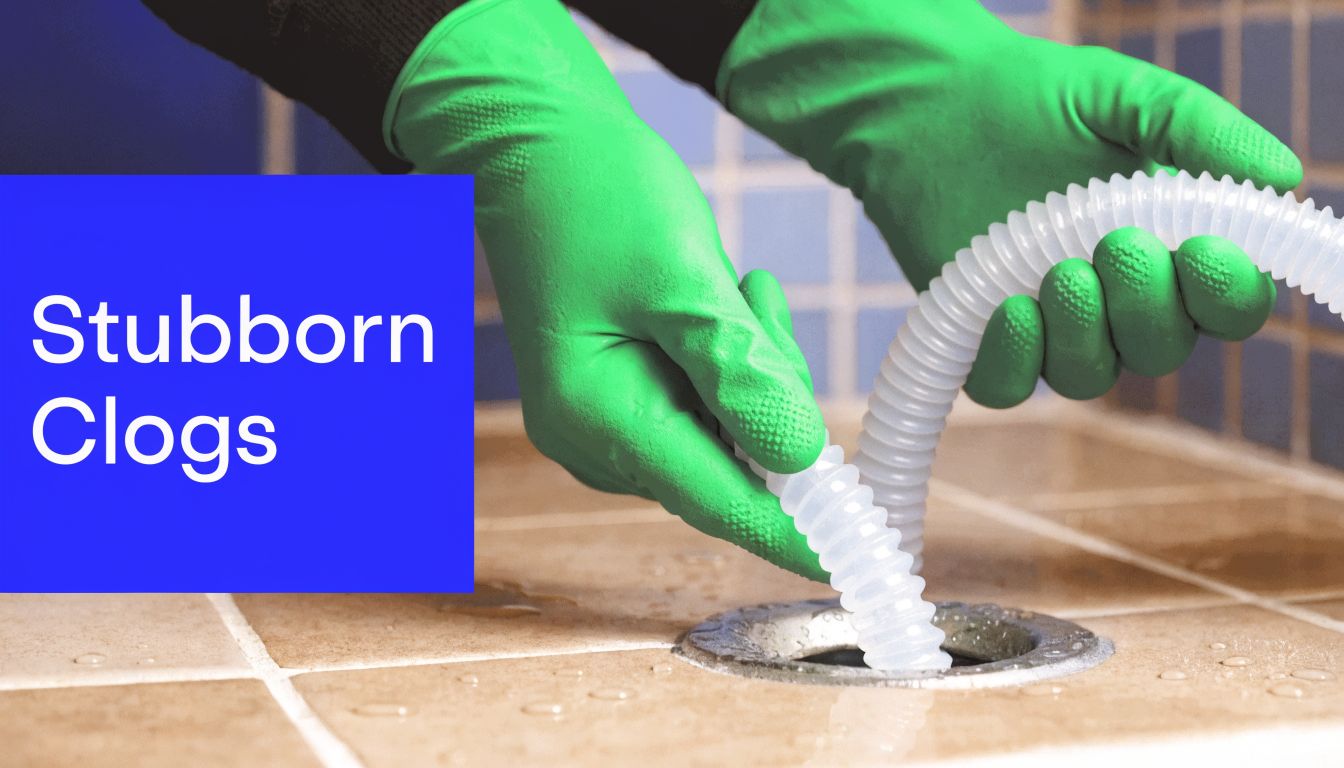
A small hand snake or plastic barbed tool is usually the next smart step. The goal is to pull material out, not punch a narrow hole through the middle and leave the rest behind.
According to this guide on using a manual drain snake and plunger together, that combination can resolve 80 to 90% of hair-dominated clogs within 50cm of the drain opening (https://blog.bauhaus.es/desatascar-ducha-sistemas-herramientas-y-metodos-caseros/).
Use the tool in a controlled way:
- Remove the cover or stopper if you can do it without forcing the hardware.
- Feed the snake in slowly until you feel resistance.
- Rotate gently and keep light pressure on the cable.
- Pull back and clear off the hair, sludge, and soap residue.
- Repeat until the tool comes back with much less debris.
- Run water for a full minute to see whether flow improves.
If you need to open the assembly first, this guide on how to remove a bathtub drain shows the same basic care needed around drain trim and threaded parts.
Stop if the tool starts binding
Do not muscle the snake through a hard stop. That is how drain crosses break, finishes get scratched, and clogs get packed tighter into the trap arm.
A useful clue is what comes back on the tool. Hair and gray sludge mean you are hitting buildup. A clean tool with no improvement usually points to a blockage deeper in the line, or heavy scale and biofilm stuck to the pipe walls where a small DIY snake cannot do much.
Here’s a visual example of the type of process homeowners often try before deciding the clog is beyond basic DIY:
Where enzymatic cleaners fit
Enzymatic drain cleaners have a narrow job, but they can help. They digest organic residue over time, so they make more sense for a drain that still moves slowly than for one holding standing water.
That matters in Las Vegas homes. Hard water does not get dissolved by an enzyme, but the organic film trapped around that mineral residue can sometimes be reduced. The trade-off is speed. You may need repeated treatments, and if the line is already narrowed by scale or a packed hair wad, the cleaner will not restore full flow.
Skip bleach, acid products, and repeated DIY experiments if the shower keeps backing up. At that point, spending money on random products usually costs more than getting a real diagnosis. A local plumber cost guide can help set expectations before you decide whether to keep trying or bring in a pro with drain equipment and a camera.
Know When to Call a Las Vegas Drain Cleaning Professional
A shower that slows down again a week after cleaning usually has a bigger problem than loose hair at the strainer. In Las Vegas, I see repeat clogs caused by a mix of soap residue, body oils, hair, and hard water scale that tightens the pipe little by little. Natural methods can help at the early stage, but they do not tell you why the drain keeps failing.

Warning signs you shouldn’t ignore
Call a professional plumber in Las Vegas if any of these are happening:
- The shower drain keeps reclogging after you’ve already removed hair and tried safe DIY cleaning
- Water backs up fast instead of draining slowly
- More than one fixture is acting up at the same time
- You smell sewer gas or heavy decay coming from the drain
- You suspect a deeper blockage in the trap arm or branch line
Proper diagnosis becomes critical at this stage. The problem may be deeper in the line, the pipe may be narrowed by mineral scale and biofilm, or the wrong DIY method may have stressed the piping. One source notes that 40% of DIY failures reported on plumbing forums stem from pipe damage, especially when people use boiling water on PVC pipes or keep attacking a severe clog with the wrong method, as discussed in this review of shower drain unclogging risks: https://www.quality-plumbing.com/how-to-unclog-a-shower-drain/
What a professional does differently
A licensed and insured drain specialist starts by locating the actual restriction instead of guessing. That matters in Las Vegas homes, because a recurring shower clog is often more than one thing at once. Hair catches first. Then soap scum and organic film build around it. Hard water scale gives that buildup a rough surface to hold onto, so the drain slows down sooner and keeps clogging back up.
A proper service call can include:
| Professional approach | Why it matters |
|---|---|
| Drain auger | Reaches deeper than common home tools |
| Camera inspection | Shows where the blockage actually is |
| Hydro-jetting | Cleans pipe walls, not just a narrow channel |
| Pipe condition review | Helps avoid repeat damage and wasted DIY effort |
Camera inspection is often the turning point. It can show whether you are dealing with a simple hair mass, heavy scale on the pipe walls, a bad fitting, or a larger branch line issue affecting the bathroom. That is the gap DIY methods cannot close. They may open a path for water, but they do not confirm the condition of the line.
If you’re comparing whether it makes sense to keep trying DIY or hire help, this general plumber cost guide can help frame the decision, even though the exact answer always depends on access, equipment, and what the inspection finds. For long-term maintenance after the repair, this guide on how to prevent drain clogs in the first place is also useful.
Calling earlier is often cheaper than damaging the drain, losing a weekend to repeat attempts, and still paying for a professional visit afterward.
Simple Habits to Prevent Future Shower Clogs
Prevention is less about one big fix and more about boring consistency. That’s what keeps shower drains clear in Las Vegas homes.
Use this short routine:
- Install a mesh hair catcher and empty it often. That’s the easiest way to stop the clog before it starts.
- Flush the drain with hot tap water regularly to help move fresh soap residue before it settles.
- Clean visible hair at the drain opening instead of pushing it down.
- Use a maintenance product for organic residue if your shower tends to slow down repeatedly.
For homeowners who want more practical tips for clear pipes, that checklist pairs well with this local guide on how to prevent drain clogs.
Frequently Asked Questions
Are chemical drain cleaners a good alternative
Usually, no. They can be harsh on piping, unpleasant to handle, and a bad choice when the actual problem is a dense hair mass that needs to be removed physically. If someone has already poured chemical cleaner into the drain, be careful before taking the drain apart or trying another product on top of it.
How do I know if it’s just the shower drain or a bigger plumbing problem
Look at the other fixtures in the bathroom. If the toilet gurgles when the shower drains, or another drain is backing up too, the issue may be outside the shower line. A single slow shower usually points to a local clog. Multiple fixtures acting up suggests a larger drainage issue that shouldn’t be handled with trial and error.
Why does my shower smell bad even when it’s draining
A bad smell often means organic material is still sitting in the drain body, trap, or nearby line. Hair, soap residue, and slime can all create odor. If the smell keeps returning after basic cleaning, the drain likely needs deeper cleaning or inspection.
What’s the best natural method for a first attempt
Manual hair removal first. After that, baking soda and vinegar are reasonable for minor buildup, followed by hot water that’s safe for the pipe material. If the drain is still slow, move to a plunger or a manual snake instead of repeating the same liquid treatment over and over.
If your shower in Las Vegas, Henderson, or North Las Vegas still isn’t draining right, call MG Drain Services LLC at 702-480-8070 for fast, professional help. MG Drain Services is a licensed and insured local company with experienced technicians, honest pricing, and modern tools for drain cleaning, camera inspections, rooter service, and hydro-jetting. Book online at mgdrainservices.com and get a clear answer before a small shower clog turns into a larger plumbing problem.